
Sikkim is a small state, but it holds a vast sense of place. Tucked into the Eastern Himalayas, this land of high-altitude lakes, forested monasteries, and deeply spiritual rhythms offers travelers something rare: stillness, clarity, and grounded connection.
Life in Sikkim isn’t lived at high speed. It moves with the mountains — steady, layered, full of quiet detail. If you travel slowly, the land speaks.
How to Experience Sikkim Authentically
Begin in Gangtok, where prayer flags flutter along quiet back roads and MG Marg hums with soft energy. Spend time walking — not just sightseeing. Markets here aren’t built for tourists; they’re for the local rhythm. Watch the pace, listen to the greetings, try a local snack from a roadside stall.
Venture north to Lachung or Lachen, where mountains open up into valleys and you feel time loosen. Life here follows the land — seasonal, spiritual, and deeply respectful of nature. You don’t need to rush. Sikkim won’t.
Places to Visit
- Gangtok – Capital city, home to Rumtek Monastery and serene hillside views.
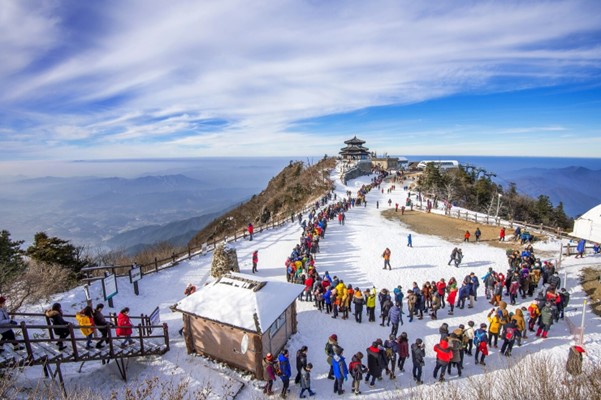
- Lachung & Lachen – Northern villages with deep snow valleys and friendly locals.
- Pelling – Mountain town with stunning views of Mt. Kanchenjunga.
- Tsongmo Lake – Glacial lake often frozen in winter, with yaks grazing nearby.
- Zuluk – A lesser-known gem on the old Silk Route, famous for its winding roads and sunrises.
What to Eat and Celebrate
Sikkim’s food is simple, earthy, and comforting — shaped by altitude and culture.
- Momos – Soft dumplings, often steamed and served with red chili chutney.
- Thukpa – Noodle soup made with vegetables or meat — a staple in colder regions.
- Tongba – A warm millet-based fermented drink, served in wooden mugs and sipped through bamboo straws.
Festivals offer insight into the region’s roots:
- Losar – Tibetan New Year, marked with dance, music, and prayer.
- Bumchu – Held at Tashiding Monastery, this sacred water ceremony is quiet yet meaningful.
Culture and Local Life
- Language: Sikkim is multilingual — Nepali is widely spoken, along with Bhutia, Lepcha, and English.
- Spirituality: Monasteries aren’t just tourist sites — they’re living spaces of faith and learning.
- Daily life: Most people still grow their food, follow rituals tied to land and season, and live with intention.
Travel Tips

- Some areas require permits — especially in North Sikkim and near the borders.
- Dress modestly when visiting monasteries or rural communities.
- Roads can be narrow and winding — travel light, be patient.
- Carry cash for small towns and villages.
- Respect local customs — even a quiet nod goes a long way.
Did You Know?
Sikkim is India’s first fully organic state. All farming here is free of synthetic pesticides and fertilizers — a rare example of a region-wide commitment to sustainability.
Gently Explore
Sikkim doesn’t shout for your attention. It invites you to listen, look, and linger. If you’re drawn to mountain stillness and real local stories, we’re here to help when the time feels right.
Our journey ideas and travel tips are always open to explore.
Leave a Reply