
Assam flows with the rhythm of the Brahmaputra River — wide, ancient, and central to life in this eastern land. Here, tea gardens stretch for miles, satras (monastic centers) echo with devotional chants, and river islands hide quiet stories of faith and resilience.
Assam is not hurried. It is green, fertile, and deeply human. From its unique cuisine to the generosity of its people, everything here comes from the land — and flows back to it.
How to Experience Assam Authentically
Start in Guwahati, not for the city buzz, but for its riverfront temples and early morning ferry rides. Take time to travel beyond — to Majuli Island, where monks paint with natural colors and locals still build homes from bamboo and clay.
Explore the tea estates near Jorhat or Dibrugarh. But don’t just pass through — talk to the workers, sip second-flush tea with them, and listen. In Assam, every leaf has a history.
And if you’re near Kaziranga, slow down. Wildlife isn’t meant to be rushed. It’s best seen in silence.
Places to Visit
- Kaziranga National Park – A UNESCO site and home to the one-horned rhinoceros.
- Majuli Island – The world’s largest river island, known for its satras, handcraft, and quiet pace.
- Sivasagar – A window into Assam’s Ahom dynasty, with ancient tanks, temples, and forts.
- Guwahati – The gateway to Assam, with Kamakhya Temple and the mighty Brahmaputra.
- Tezpur – A cultural town with scenic riverbanks and old-world charm.
What to Eat and Celebrate
Assamese cuisine is earthy, light, and close to nature.
- Khar – A traditional alkaline dish made with raw papaya, pulses, or fish, unique to Assamese homes.
- Pitika – Mashed vegetables or potatoes with mustard oil and green chili — simple and soulful.
- Assamese Thali – A full spread with rice, lentils, greens, pickles, fish curry, and chutneys.
Festivals to witness:
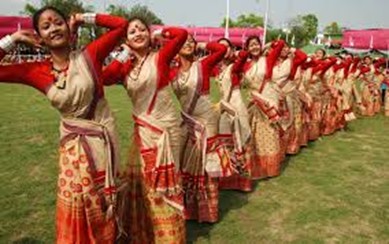
- Bihu – Celebrated thrice a year (Rongali, Bhogali, and Kongali), it marks agriculture, rhythm, and renewal. Expect dances, dhol beats, and openhearted joy.
Culture and Local Life
- Language: Assamese is widely spoken, alongside Hindi, Bengali, and tribal dialects.
- Tea culture: Assam produces more tea than any other Indian state — but tea here is still personal, not just exportable.
- River life: The Brahmaputra isn’t just a backdrop — it shapes transport, festivals, and emotion.
- Arts: From Sattriya dance to handloom weaving, traditional arts are still practiced with care.
Travel Tips
- Book Kaziranga safaris in advance — morning slots are often most peaceful.
- Pack for humid, changing weather — light cottons, sun protection, and rain gear help.
- Respect cultural norms — in temples, homes, and villages.
- Carry cash in rural areas.
- Support local artisans — especially on Majuli or in silk weaving communities.
Did You Know?

Assam is home to Muga silk, a rare golden silk found only here. It doesn’t fade, and is often woven by hand into heirloom textiles passed down for generations.
The Brahmaputra, one of the few male-named rivers in India, is not just a geographical feature — it’s a lifeline that nourishes identity, tradition, and storytelling.
Gently Explore
Assam isn’t about ticking off spots — it’s about flowing with the river, slowing down with the land, and being open to what each place quietly offers.
If you’re curious to explore Assam’s tea trails, river islands, or festivals with intention, we’re here to help — calmly, clearly, and on your terms. Our ideas and answers are always nearby.
Leave a Reply