
Meghalaya means the abode of clouds — and once you arrive, you understand why. Mist clings to cliffs, rain nourishes forests, and waterfalls spill down green mountains like silver threads. But beyond the landscapes, Meghalaya holds something deeper: a way of life shaped by matrilineal traditions, quiet villages, and a close relationship with the land.
If you’re looking for travel that feels both elemental and peaceful, this is a place to pause, breathe, and gently explore.
How to Experience Meghalaya Authentically
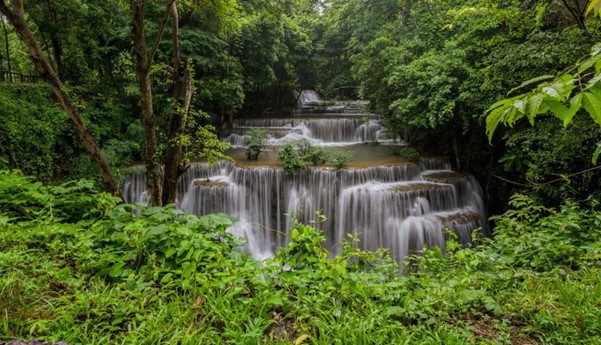
Begin in Shillong, where colonial-era cottages line the hills and local cafés hum with music and conversation. Then venture south toward Cherrapunji and Mawsynram — not to chase rain, but to feel how it shapes everything from bridges to belief.
In Mawlynnong, often called Asia’s cleanest village, cleanliness is not tourism — it’s tradition. And in forested corners around Nongriat, living root bridges reveal how nature and human care can build together, not apart.
Travel here isn’t fast. It flows like the rain — softly, patiently, with presence.
Places to Visit
- Living Root Bridges – Handmade over generations from aerial fig roots. No metal. Just life.
- Nohkalikai Falls – One of India’s tallest waterfalls, wrapped in legend.
- Umiam Lake – A vast, peaceful reservoir near Shillong, ideal for slow afternoons.
- Mawlynnong Village – A model of community-led cleanliness and sustainability.
- Mawsmai Caves – Limestone passages with stunning natural formations.
- Dawki River – Clear waters near the Bangladesh border; glassy and surreal.
What to Eat and Celebrate
Meghalaya’s cuisine is simple, hearty, and tied to Khasi and Garo roots.
- Jadoh – A flavorful rice dish with meat, turmeric, and local herbs.
- Pudoh – Steamed rice flour cakes served with meat or spicy chutneys.
- Do-o-Kappa – A Garo dish made with pork, bamboo shoot, and alkaline water.
Festivals:
- Wangala Festival – A post-harvest celebration by the Garo tribe, with dancing and drums.
- Shad Suk Mynsiem – A Khasi festival of gratitude and purity, marked by traditional dress and music.
Culture and Local Life
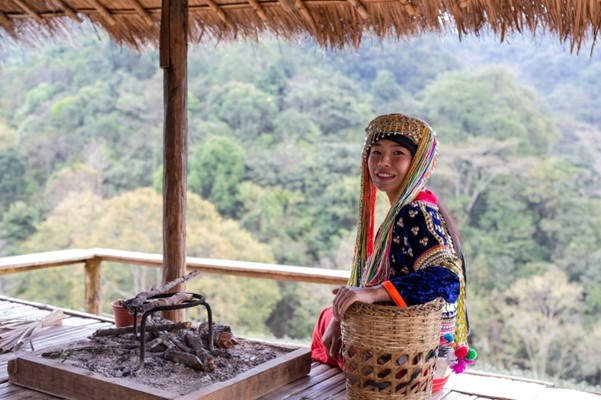
- Matrilineal society: Among the Khasi and Garo tribes, lineage and inheritance pass through women.
- Language: Khasi and Garo are widely spoken, along with English and Hindi.
- Spirituality: Nature is sacred — rivers, trees, stones — and many villages blend indigenous beliefs with Christianity.
You won’t find pushy tourism here. Hospitality is quiet, grounded, and deeply local.
Travel Tips
- Best time to visit: October to April (before heavy monsoon sets in).
- Dress for both rain and sun — layers and waterproofs help.
- Ask before taking photos — especially in villages or ceremonies.
- Be mindful on treks — root bridges require balance, not speed.
- Carry cash — digital payments may not work in rural areas.
- Respect local customs — clean travel is cultural here.
Did You Know?
Some of Meghalaya’s living root bridges are over 150 years old — grown and maintained by generations using no nails, no cement. Just hands, patience, and care.
Mawsynram and Cherrapunji are among the wettest places on Earth — but the rain here builds, heals, and sustains.
Gently Explore
Meghalaya doesn’t ask to be conquered or covered in a checklist. It invites you to notice: the way bridges grow, the way clouds move, the way communities care.
If you’re curious to step into a landscape shaped by water, story, and stewardship — we’re here to help, calmly and clearly.
Our tips and guides are always here when you’re ready.
Leave a Reply